
Choosing the Right Fascia and Soffit for Your Home: A Comprehensive Guide


Overview
Choosing the right fascia and soffit is crucial for enhancing your home's durability, aesthetics, and energy efficiency. Key considerations include material selection (vinyl, aluminum, wood, fiber cement), design styles that complement your home, proper ventilation for attic health, installation tips, and local building regulations. Regular maintenance is essential to prevent damage and ensure longevity. Consult local professionals for quality installation and consider eco-friendly options for sustainability.
Contents
If you are looking to enhance your home’s durability, aesthetics, and energy efficiency, understanding how to choose the right fascia and soffit is essential. These elements play a significant role in protecting your roof's edges, improving ventilation, and ensuring your home's structural integrity. This guide will walk you through the considerations to keep in mind when selecting fascia and soffit, along with practical tips for installation and maintenance.
Why Are Fascia and Soffit Important?
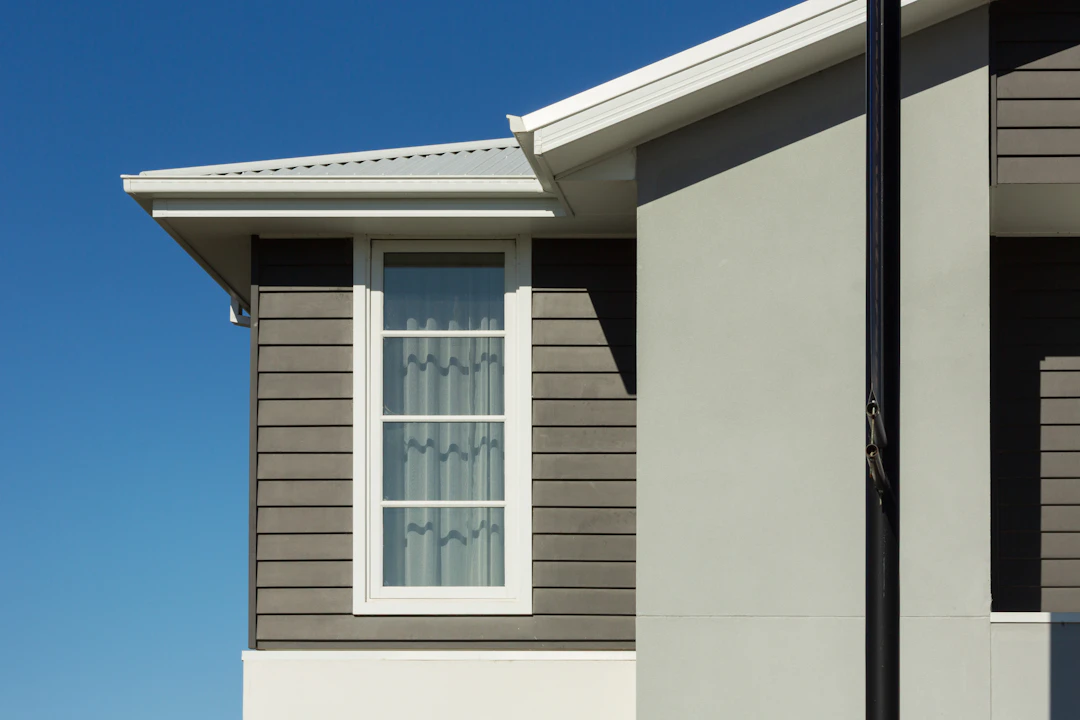
Fascia and soffit are critical components of your home’s roofing system. The fascia, installed at the edge of the roof, serves multiple purposes:
It provides a smooth, finished look to the roofline.
It acts as a barrier that protects the rafters and roof sheathing from water damage.
It supports the bottom row of shingles and can hold gutter systems.
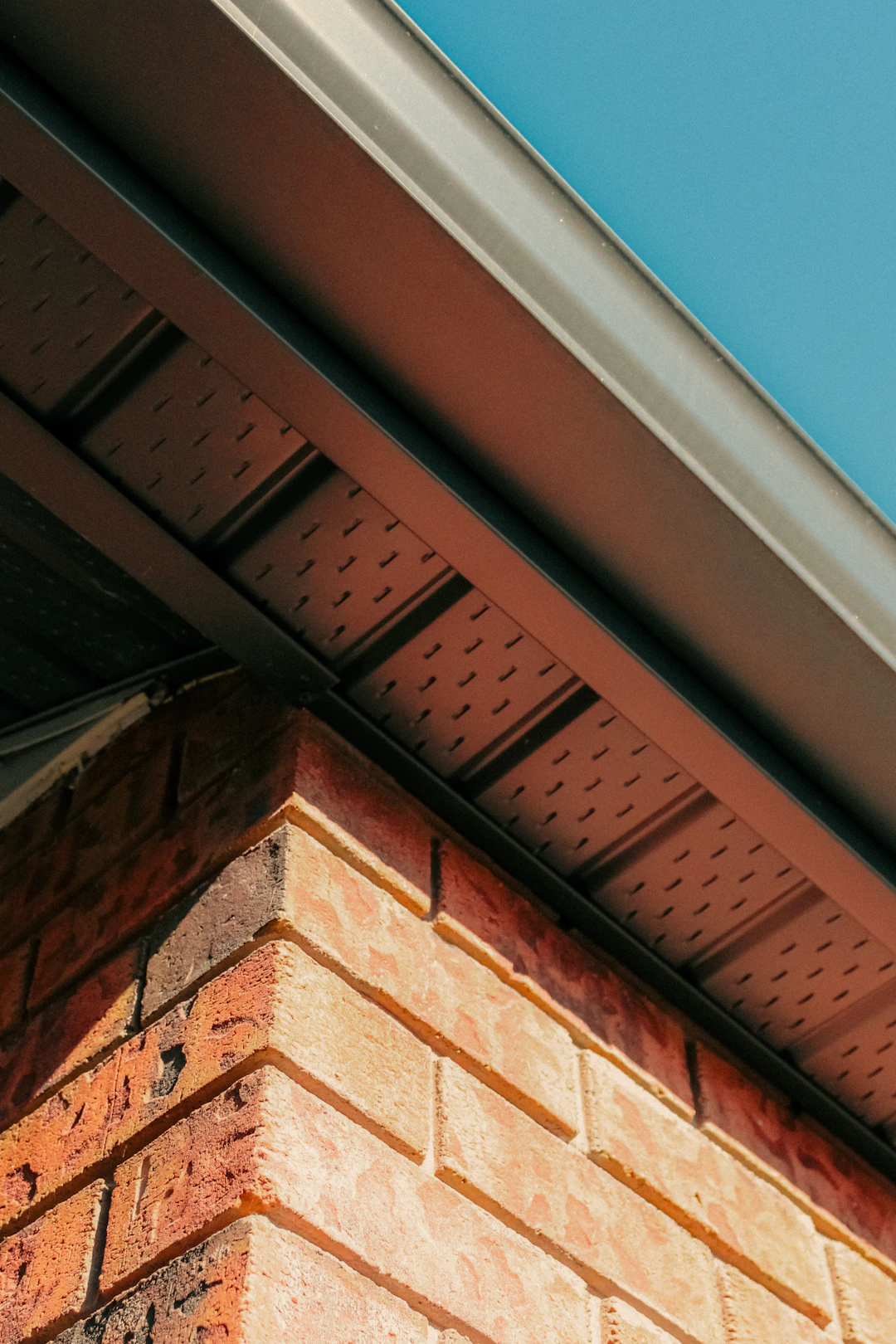
The soffit, located underneath the overhanging eaves, is equally important:
It helps ventilate your home’s attic, preventing moisture buildup.
It keeps pests and critters from entering your attic space.
It adds to the aesthetic appeal of your home, completing the overall look.
Key Factors to Consider When Choosing Fascia and Soffit
1. Material Selection
Choosing the right material for your fascia and soffit is critical to ensure longevity and efficiency. Common materials include:
Vinyl: Durable and low maintenance. It won’t warp or rot and is available in various colors.
Aluminum: Lightweight and resistant to rust. Ideal for humid environments or areas prone to moisture.
Wood: Attractive and traditional but requires more maintenance to prevent rotting and insect damage.
Fiber Cement: Offers the look of wood but with greater resistance to fire, rot, and pests.
When selecting your materials, consider local climate conditions. For example, if you're in a humid area like Tampa, materials that resist moisture and corrosion, such as aluminum or vinyl, are often preferable.
2. Design and Style
The design of your fascia and soffit should complement your home’s architecture. Look for styles that align with your home’s overall aesthetic. Some popular design options include:
Traditional: Features a simple, flat fascia board that provides clean lines.
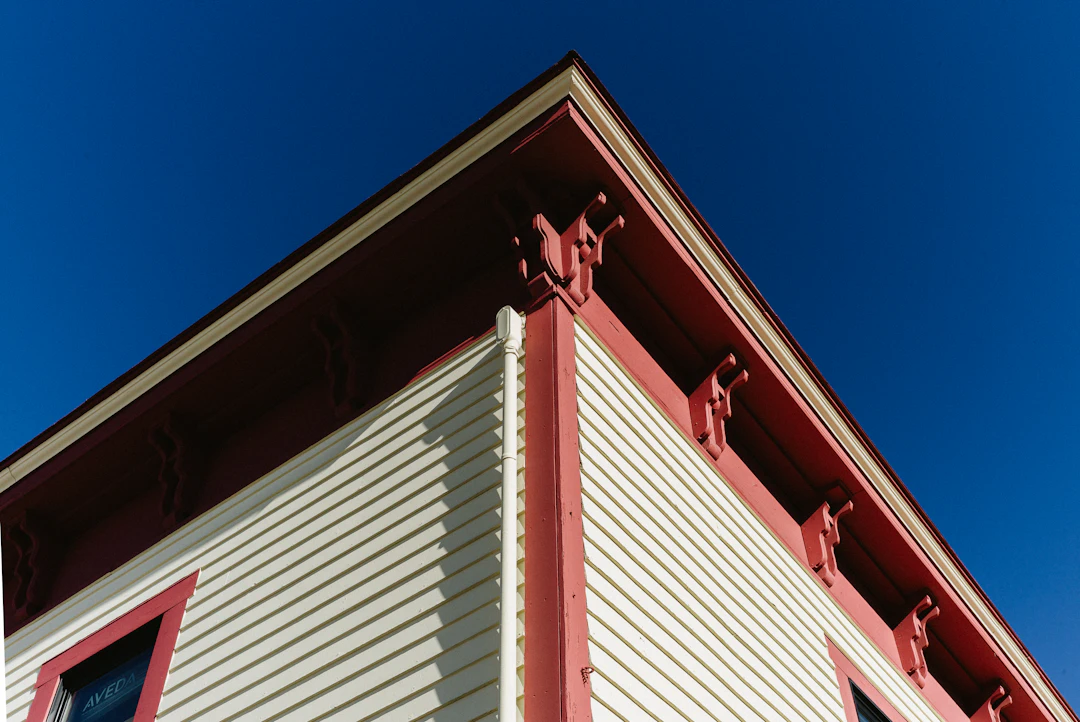
Crown Molding: Adds an elegant touch for classic homes.
Ventilated Soffit: Improves airflow while maintaining visual appeal.
Think about how your chosen styles will blend with your existing siding and gutter systems. Having cohesive designs can enhance your home’s curb appeal and may even boost property value.
3. Ventilation Needs
Proper attic ventilation is crucial for maintaining a healthy roof structure. Consider what type of soffit venting you may need:
Continuous Ventilation: Provides an uninterrupted airflow, allowing for better humidity control.
Box Vents: Effective for reducing heat buildup and offering targeted airflow.
A well-ventilated attic can help prevent mold growth, increase energy efficiency, and prolong the life of your roofing materials.
4. Installation and Maintenance
Once you’ve chosen your fascia and soffit materials and design, it’s time to consider installation. Here are some tips to guide you:
Consider hiring professionals to install fascia and soffit, especially if you're looking into specific services like soffit fascia repair in New Tampa.
If you decide to tackle the project yourself, be sure to have the right tools and safety gear.
Regular inspections and maintenance are key. Check for water damage, pest infiltration, and debris buildup to ensure longevity.
DIY enthusiasts should also be aware that proper installation techniques can prevent costly issues down the line, such as needing gutter services or siding repair in Tampa.
Understanding Local Regulations and Building Codes
Before making any decisions, familiarize yourself with local building codes and regulations. Municipalities often have specific requirements for home renovations, especially when it comes to roofing components. Ensure your chosen fascia and soffit comply to avoid future hassles.
Working with Local Professionals
Finding experienced contractors is vital when selecting and installing fascia and soffit. When searching for help, consider local businesses for services like Hunters Green gutter services. Trusted professionals will not only guide you in selecting the right materials but also provide quality installation services.
Eco-Friendly Choices
Always consider the environmental impact of your building materials. Look for sustainable options like:
Recycled materials that reduce waste.
FSC-certified wood that ensures responsible forestry practices.
Making eco-conscious decisions can reduce your carbon footprint and can appeal to environmentally aware buyers should you decide to sell your house in the future.
The Link Between Fascia, Soffit, and Overall Home Integrity
Your fascia and soffit systems are not just aesthetic components; they play a critical role in ensuring your home’s overall integrity. A well-maintained system can prevent water damage, extend the life of your roofing materials, and improve energy efficiency by controlling airflow in your attic.
Signs It’s Time for Fascia and Soffit Repair
Over time, even the best materials can fall into disrepair. Regular maintenance checks are essential. Look out for:
Peeling paint or discoloration, which may indicate moisture damage.
Cracks or gaps that can allow pests into your home.
Visible signs of wear like rot or warping, necessitating professional soffit fascia repair in New Tampa.
Addressing these issues promptly will not only preserve your home’s aesthetic but also protect it from further damage that could lead to more extensive repairs.
Explore Your Options: Take Action Today!
When embarking on the journey to enhance your home through the right fascia and soffit, quality matters. Proper choices and installation can lead to long-lasting benefits, enriching your home's beauty and durability. As you plan your project, remember to consult with reliable local professionals, especially for specialized services like pool cage repair in Tampa or gutters.
Take the time to thoroughly research materials, styles, and service providers to ensure a satisfying renovation experience. A little extra effort can lead to lasting results that improve not just your home’s exterior but its safety and efficiency as well.
Now is the perfect time to reassess your home’s roofing system. Don't delay in ensuring that your fascia and soffit are up to par; after all, they protect your investment. Take your first step toward a more beautiful and functional home today!
FAQs
What is the role of fascia and soffit in a home's roofing system?
Fascia provides a finished look to the roofline, protects rafters from water damage, and supports gutters. Soffit ventilates the attic, prevents pests from entering, and enhances aesthetic appeal.
What materials are commonly used for fascia and soffit?
Common materials include vinyl, aluminum, wood, and fiber cement. Each material has its own benefits in terms of durability and maintenance.
How can I improve attic ventilation with soffit?
You can improve attic ventilation by choosing soffit designs that provide continuous ventilation or box vents for targeted airflow.
What should I consider for installing fascia and soffit?
Consider hiring professionals for installation, ensure you have the right tools if DIYing, and conduct regular inspections for maintenance.
How can I ensure my fascia and soffit choices comply with local regulations?
Familiarize yourself with local building codes and regulations related to roofing components to ensure compliance with your fascia and soffit selections.
Comments