
Choosing the Right Fascia for Your Tampa Home: A Comprehensive Guide


Overview
This article discusses the importance of fascia for Tampa homes, covering its aesthetic and protective roles, material options (wood, vinyl, aluminum, fiber cement), and factors to consider when choosing fascia. It also addresses installation choices, signs of damage, and the relationship between fascia and gutter systems. Proper fascia selection enhances home appearance and durability against Florida's climate.
Contents
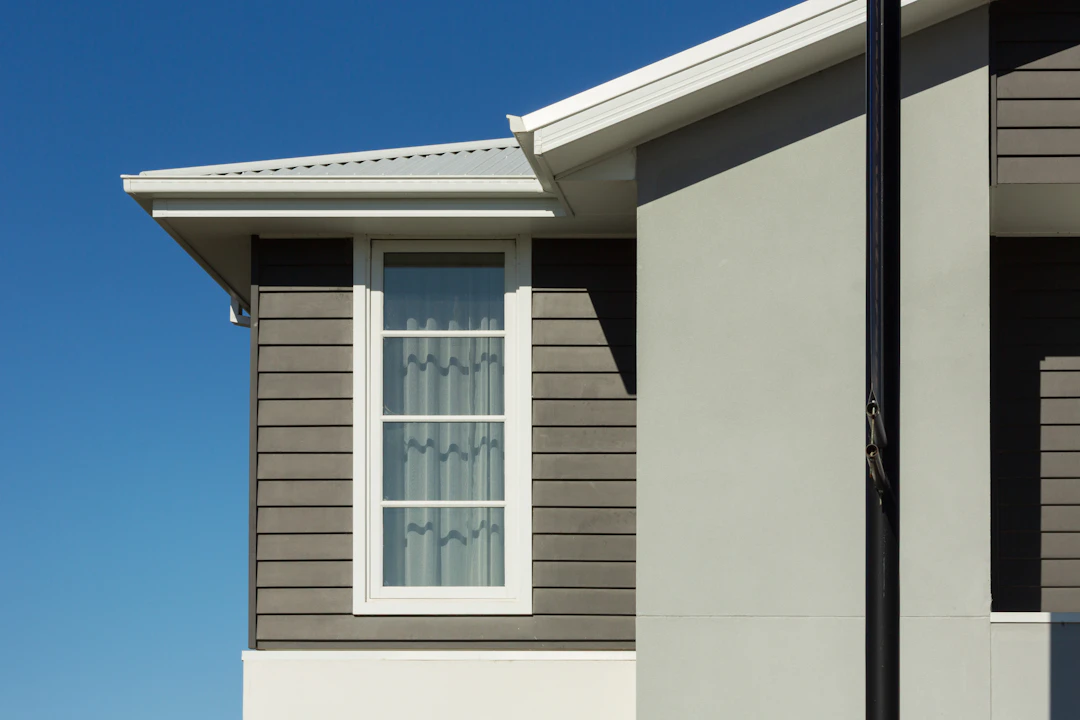
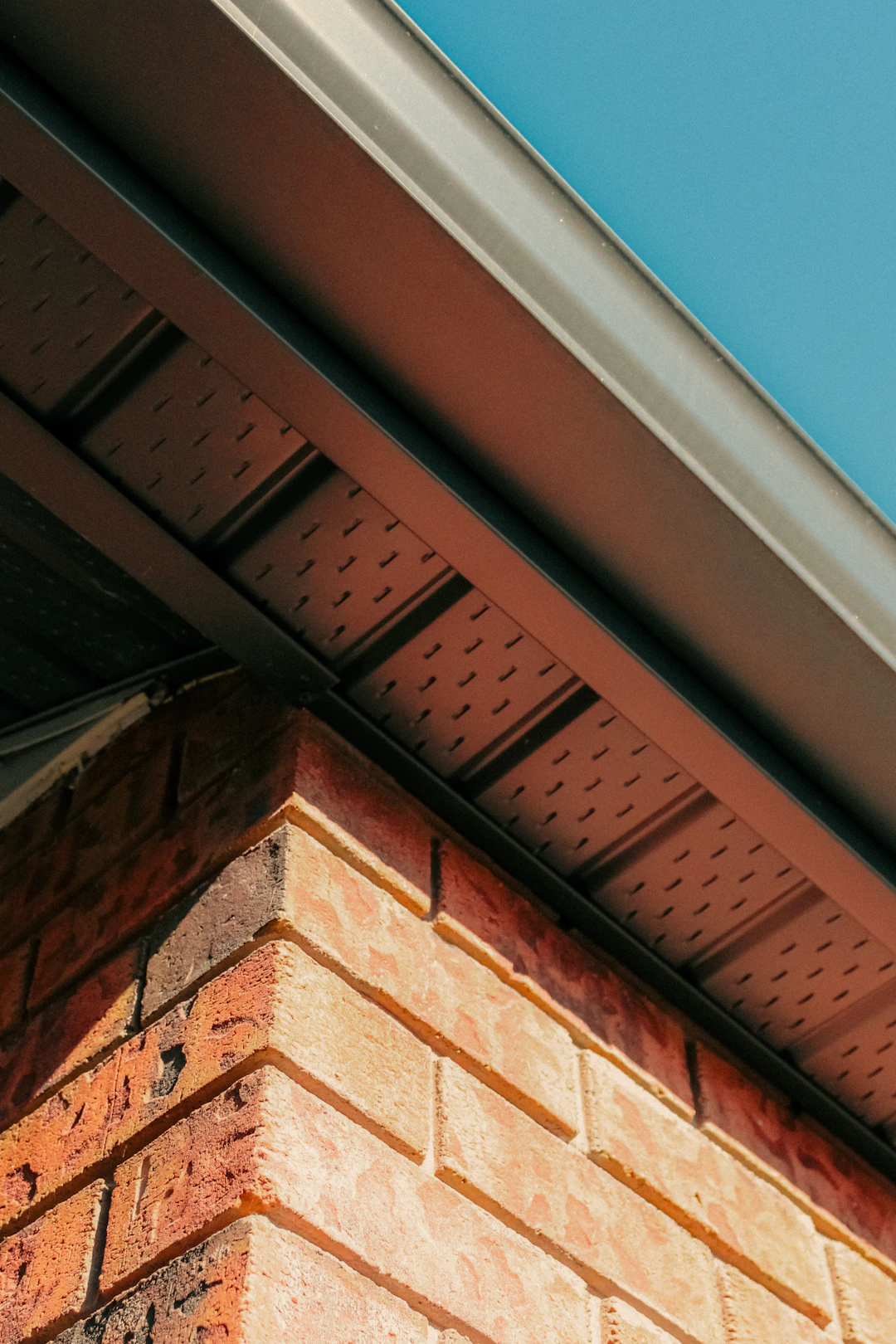
When it comes to exterior home improvements, few elements are as crucial as fascia. Defined as the board that runs horizontally along the edge of the roofline, fascia serves not only an aesthetic purpose but also contributes significantly to your home’s functionality and protection against the elements. This article aims to guide you on how to choose the right fascia for your Tampa home, ensuring it complements your style while providing the resilience needed in Florida’s unique climate.
Understanding the Importance of Fascia
Fascia is often overlooked, yet it plays a vital role in safeguarding your home. Here are some key functions of fascia:
Aesthetic Appeal: The right fascia can enhance the overall appearance of your home, contributing to curb appeal.
Protection from the Elements: Fascia helps prevent water damage and pests from entering your roof and home.
Support for Gutters: It serves as a base for seamless gutters, which are essential for directing water away from your house.
The Various Materials for Fascia
Choosing the appropriate material for your fascia is critical, as they each offer distinct advantages. In Tampa’s humid, hurricane-prone climate, certain materials may be better suited than others. Here are the four most common materials:
1. Wood Fascia
Wood fascia provides a classic look and can easily be painted to match your home’s exterior. However, it requires regular maintenance to prevent rot and decay, especially in the heat and humidity of Tampa.
2. Vinyl Fascia
Vinyl is a popular choice thanks to its durability and low maintenance needs. It resists rot and insects, making it ideal for Tampa homes. Additionally, vinyl fascia comes in various colors and styles, making it easy to fit any design.
3. Aluminum Fascia
Aluminum is another weather-resistant option that can withstand the elements, especially high winds. Moreover, it is rust-resistant and lightweight, making it easy to install. Many homeowners in Tampa opt for aluminum fascia due to its longevity.
4. Fiber Cement Fascia
For those seeking durability and style, fiber cement fascia can mimic the look of wood while offering the sturdiness of concrete. It resists rot, insects, and weather damage, making it suitable for Tampa’s climate.
Factors to Consider When Choosing Fascia
Before finalizing your fascia choice, consider the following factors:
1. Architectural Style
The architectural style of your home should significantly influence your fascia selection. Whether your home is contemporary, traditional, or coastal, the fascia should harmonize with the overall aesthetic.
2. Local Climate
Tampa experiences high humidity and severe storms. Therefore, opt for materials that can withstand these conditions without degrading quickly. Vinyl and aluminum are often recommended for their durability.
3. Maintenance Requirements
Some materials require more upkeep than others. Wood, for example, may need regular painting and sealing, while vinyl and aluminum offer low maintenance options.
4. Budget
Consider how much you’re willing to invest in your fascia. While choosing the most budget-friendly option may be tempting, investing in quality materials can save you money on repairs and replacements in the long run.
Installation: DIY vs Professional Help
When it comes to installing fascia, homeowners face a critical decision: tackle the job yourself or bring in a professional contractor? Each option has its pros and cons:
DIY Installation
If you are handy and have experience with home improvement projects, DIY can save you money. There are numerous tutorials available online on how to install fascia. However, be aware that improper installation can lead to future problems, particularly concerning moisture management.
Professional Installation
Hiring a professional can alleviate the stress of installation and ensure the job is done correctly. They bring experience, the right tools, and can identify potential issues. When searching for contractors for your exterior repairs, look for those who specialize in soffit and fascia to ensure quality workmanship.
Fascia and Gutter Systems
Fascia serves as a vital support system for your gutters, especially seamless gutters. Properly installed gutters funnel water away from your home, protecting against water damage and mold growth. If you're considering seamless gutters near me, be sure to consult a professional for both fascia and gutter installation to guarantee synergy between these elements.
Signs of Fascia Damage
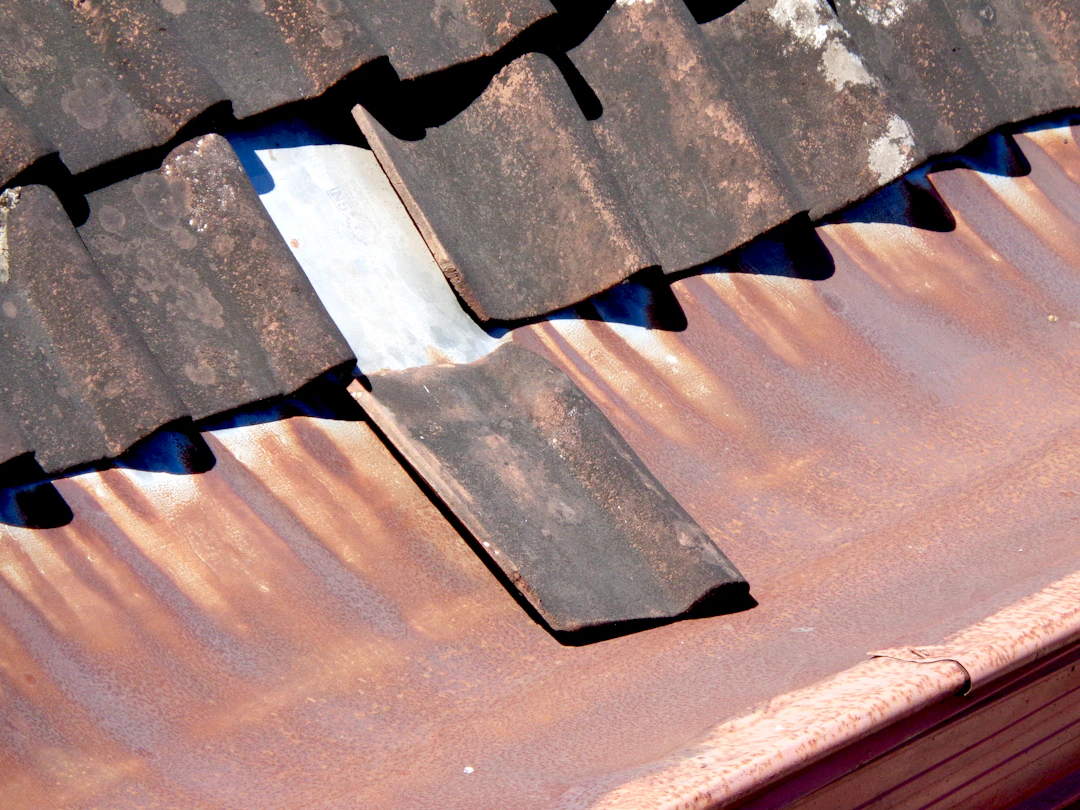
Regular checks on your fascia can save you from costly repairs down the road. Look for these signs of damage:
Visible signs of rot, especially in wooden fascia.
Peeling paint or discoloration, indicating water damage.
Loose or detached sections, which could lead to further deterioration.
If you detect any of these issues, it may be time for a soffit fascia repair in New Tampa or a complete replacement.
Enhance Your Tampa Home with the Right Fascia
Choosing the right fascia for your Tampa home involves careful consideration of the materials, climate, function, and aesthetics. By understanding your options and the specific needs of your home, you can help protect your investment while enhancing your home's beauty.
In addition to your fascia, don't overlook gutter systems that work in tandem with these vital components. For heavy-duty needs, consider Super Gutters, designed specifically to handle extreme water flow. These may be particularly useful if you have a pool or patio area susceptible to overflow.
In closing, the right fascia not only brings harmony to your home’s design but also fortifies it against the elements. Whether you lean toward wood, vinyl, aluminum, or fiber cement, making an informed choice will keep your home looking beautiful and functioning optimally for years to come. If in doubt, reach out to professionals who can tailor their recommendations to your specific situation and needs! Happy home upgrading!
Explore these options for your fascia needs. Roll Gutters and Super Gutters.
Related Products
Roll Gutters - $0.00 - Strong. Custom. Streamlined.Roll-formed gutters are fabricated on-site for a perfect fit, ensuring a seamless look and superior water flow. This meth...
Super Gutters - $0.00 - The Powerhouse for Pool & Patio Covers.Our new Super Gutters are designed to handle extreme water flow from pool cage and patio roof systems. Wit...
Hydra Gutters - $0.00 - The Last Gutter You’ll Ever Need.Hydra Gutters are engineered from a proprietary aluminum blend that outlasts and outperforms standard systems. Backe...
FAQs
What is fascia and why is it important for my home?
Fascia is the board that runs horizontally along the edge of the roofline. It is important because it enhances aesthetic appeal, protects against water damage and pests, and serves as a support for gutters.
What materials are commonly used for fascia in Tampa?
The most common materials for fascia in Tampa are wood, vinyl, aluminum, and fiber cement, each offering different advantages in terms of durability and maintenance.
How do I choose the right fascia for my Tampa home?
When choosing fascia, consider factors such as your home's architectural style, local climate, maintenance requirements, and budget.
Should I install fascia myself or hire a professional?
If you have experience and confidence in DIY projects, you can save money by installing fascia yourself. However, hiring a professional ensures proper installation and avoids future issues.
What are the signs of fascia damage I should look for?
Signs of fascia damage include visible rot, peeling paint, discoloration indicating water damage, and loose or detached sections. Regular checks can help prevent costly repairs.
Comments