
Master the Art of Landscape Drainage: A Comprehensive Guide to Creating Your Drainage Plan
- Get Gutters Today Team

- Apr 20
- 5 min read
Overview
Creating a drainage plan is crucial for protecting your property from water damage, enhancing curb appeal, and preventing health issues. Assess your landscape's topography, soil type, and existing systems to choose the right solutions, such as surface drainage, French drains, and gutter systems. Regular maintenance and professional assistance can ensure effective water management and a beautiful landscape.
Contents
Creating a proper drainage plan for your landscape is essential for maintaining the structural integrity of your property. Without adequate drainage, water can accumulate, leading to erosion, damage to your home, and even health issues due to stagnant water. This guide will walk you through the steps needed to design an effective drainage system, tailored specifically for your landscaping needs. From assessing your property to implementing effective solutions like seamless gutters, let's dive into the world of drainage.
Understanding the Importance of a Drainage Plan
Before we delve into the “how,” it’s crucial to understand the "why" of a drainage plan. A good drainage system not only protects your landscape but also improves the aesthetics of your property. Here are some vital reasons:
Prevention of Water Damage: Inadequate drainage can lead to flooding and erosion, causing irreversible damage to foundations, lawns, and gardens.
Enhanced Property Value: A well-maintained landscape with a proper drainage system enhances curb appeal and can increase your property value.
Reduction of Pests: Stagnant water is a breeding ground for mosquitoes and other pests, which can affect your household’s health.
Effective Water Management: A properly designed drainage system manages the flow of rainwater efficiently, preventing pooling on your property.
Assessing Your Landscape
The first step in creating an effective drainage plan is to assess your landscape. Here’s what you need to consider:
Topography Analysis
Understanding your property's slope is key. Generally, water flows downhill, so identify the highest and lowest points on your property. A topographical map can help you visualize how water moves across your landscape.
Soil Type Evaluation
Different soil types drain water at different rates. Sandy soils drain quickly, while clay soils retain water. Knowing these factors will aid you in deciding what drainage solutions you’ll need. If you're experiencing water all around your property, consider options like seamless gutters that offer excellent water flow management.
Existing Drainage Systems
Examine any existing drainage solutions. Are they functioning properly? Are there areas where water tends to pool? Identifying ineffective systems can save you future headaches.
Types of Drainage Systems
Once you’ve assessed your landscape, you can choose the most suitable drainage system. Here are some popular options:
Surface Drainage
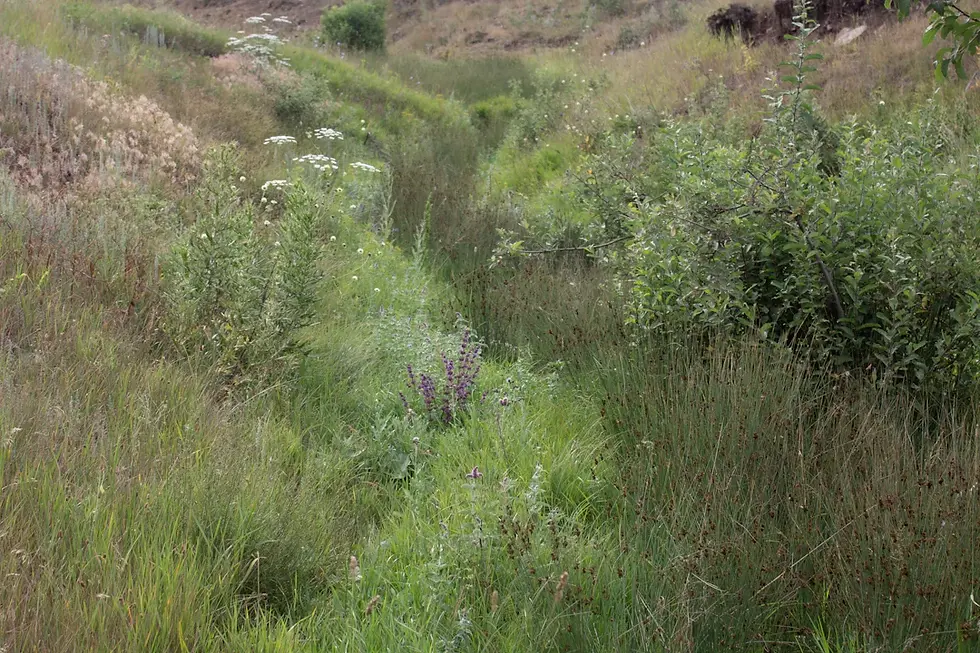
Surface drainage involves designing the landscape so that water flows away from your home’s foundation. Installing grade changes, swales, or ditches can assist in keeping water away from areas where it can cause harm.
French Drains
A French drain is a trench filled with gravel that directs water away from specific areas. This system works well in areas where you might experience frequent flooding and requires proper installation for effective drainage.
Channel Drains
Channel drains are narrow trenches that capture surface water and direct it away. They are often placed in driveways, patios, and pool areas. Pool cage repair Tampa professionals can help you with optimal placements of channel drains around pool areas.
Gutter Systems
Installing high-quality seamless gutters can significantly improve water management on your property. They channel water away from your roof and foundation, preventing damage. For effective solutions, you can search for seamless gutters near me to find local providers.
Dry Wells
Dry wells are underground structures that collect surplus stormwater and allow it to percolate into the ground slowly. This can be a fantastic addition to a comprehensive drainage plan if space allows.
Stormwater Management Tips
Alongside traditional drainage systems, consider these stormwater management tips:
Planting Trees and Shrubs: Deep-rooted plants can absorb substantial amounts of water, aiding in the natural drainage process.
Using Rain Gardens: Design a rain garden to capture and manage stormwater runoff while adding beauty to your landscape.
Native Plants: Incorporating local flora can improve water absorption and sustain the ecosystem.
Working with Professionals
If the task feels overwhelming or complicated, consider consulting with local experts. Specialists in soffit fascia repair in New Tampa can help assess your current drainage situation, provide advice, and help install any necessary drainage solutions.
Implementing Your Drainage Plan
Once you’ve chosen your drainage methods, you can begin implementing your plan. Follow these steps:
Get Necessary Permits
Before you start any physical work, check with local authorities regarding any permits needed for drainage installations. This helps avoid legal issues later on.
Clear Your Landscape
Remove any hindrances like debris, plants, or structures that may obstruct your drainage solutions. This step ensures water can flow freely.
Install Your Drainage Solutions
Carefully follow the guidelines for your chosen systems. If you aren’t familiar with installation, hiring a professional may save you time and future costs.
Landscape the Area
Post-installation, landscape around your drainage solutions to maintain an aesthetically pleasing look. This can include planting flowers, grasses, or decorative rocks.
Regular Maintenance
After completing the installation, make sure to maintain your drainage systems regularly. Clean out gutters, check the condition of French drains, and monitor for blockages. Proper siding repair in Tampa can also enhance overall water management around your home.
Elevate Your Home with Professional Help
You now have a solid foundation for creating your drainage plan! Consistently maintaining your landscape doesn't only protect your property; it also enhances its beauty and functionality. For areas with challenging water management, don’t hesitate to explore products like Hydra Gutters, which are engineered for durability and backed by a lifetime warranty. Whether it’s through seamless gutters or professional services in Hunters Green gutter services, the importance of a strong drainage plan cannot be overstated. Beautiful landscapes start with proper water flow. Invest wisely and enjoy a flourishing outdoor space!
Explore these gutter solutions to enhance your drainage plan. Roll Gutters and Super Gutters.
Related Products
Roll Gutters - $0.00 - Strong. Custom. Streamlined.Roll-formed gutters are fabricated on-site for a perfect fit, ensuring a seamless look and superior water flow. This meth...
Super Gutters - $0.00 - The Powerhouse for Pool & Patio Covers.Our new Super Gutters are designed to handle extreme water flow from pool cage and patio roof systems. Wit...
Hydra Gutters - $0.00 - The Last Gutter You’ll Ever Need.Hydra Gutters are engineered from a proprietary aluminum blend that outlasts and outperforms standard systems. Backe...
FAQs
Why is a drainage plan important for landscaping?
A drainage plan is crucial for preventing water damage, enhancing property value, reducing pests, and effectively managing water flow.
What factors should I assess in my landscape when creating a drainage plan?
You should assess the topography, soil type, and any existing drainage systems to understand how water moves across your property.
What are some common types of drainage systems?
Common drainage systems include surface drainage, French drains, channel drains, gutter systems, and dry wells.
How can I manage stormwater in my landscape?
You can manage stormwater by planting deep-rooted trees and shrubs, using rain gardens, and incorporating native plants.
What steps should I follow to implement my drainage plan?
Steps include obtaining necessary permits, clearing the landscape, installing drainage solutions, landscaping the area, and performing regular maintenance.


Comments