
Exploring Different Types of Siding: Which One is Right for You?
- Get Gutters Today Team

- Jun 19
- 5 min read
Overview
Choosing the right siding for your home is essential for aesthetics, protection, and energy efficiency. Common options include vinyl, wood, fiber cement, metal, engineered wood, and stone/brick, each with unique advantages and disadvantages. Consider your climate, architectural style, and potential complementary updates like gutters and soffit repairs. Professional installation and understanding costs are crucial for maximizing your investment.
Contents
When it comes to enhancing your home's exterior, siding plays a crucial role not just in aesthetics but also in protection against the elements. With a plethora of materials available today, the choice of siding can significantly impact your home's curb appeal, energy efficiency, and maintenance needs. Understanding the different types of siding will help you make an informed decision as you embark on this exciting project.
Why Siding Matters
Siding is the outer covering of a building, and it serves multiple purposes. It protects your home from water damage, contributes to thermal insulation, and adds aesthetic value. Selecting the right siding can also influence the longevity of your home’s exterior and its energy efficiency, potentially resulting in lower utility bills and increased comfort.
Types of Siding: A Breakdown
Let’s explore the most common types of siding you might consider:
1. Vinyl Siding
Vinyl siding is a popular choice due to its affordability, low maintenance, and variety of colors and styles. Available in various textures and finishes, vinyl can mimic the appearance of wood, brick, or stone.
Advantages: Cost-effective, easy to install, resistant to rot and pests.
Disadvantages: Can fade over time and is susceptible to damage from extreme temperatures.
2. Wood Siding
Wood siding offers a classic and natural look. It can be painted or stained, providing flexibility in design. Common types of wood siding include cedar, pine, and redwood.
Advantages: Aesthetically pleasing, environmentally friendly, excellent insulation properties.
Disadvantages: Requires regular maintenance and is prone to insect infestations.
3. Fiber Cement Siding
This composite material, made from cement, sand, and cellulose fibers, offers the benefits of both wood and vinyl. It is highly durable and can be painted any color.
Advantages: Resistant to fire, rot, and insects; can last over 50 years.
Disadvantages: Heavier than other types and can be more expensive to install.
4. Steel and Aluminum Siding
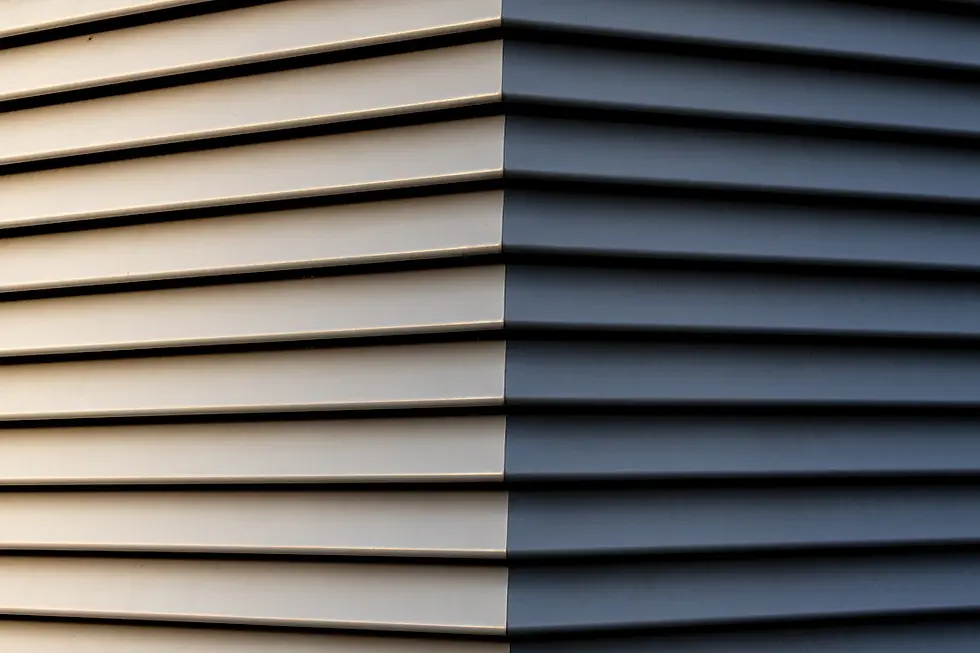
Metal siding options include galvanized steel and aluminum. These materials are known for their durability and resistance to harsh weather conditions.
Advantages: Low maintenance, fire-resistant, and can be recycled.
Disadvantages: Can dent easily and is more expensive than vinyl.
5. Engineered Wood Siding
This is a man-made product designed to replicate the appearance of wood but is often more cost-effective and durable.
Advantages: Resistant to decay and insect damage, easy installation.
Disadvantages: Limited color options and might require repainting over time.
6. Stone and Brick Siding
Natural stone and bricks provide a timeless aesthetic and are very durable. They require a higher initial investment but often lead to lower long-term maintenance costs.
Advantages: Outstanding longevity and low maintenance.
Disadvantages: Higher upfront costs and potential structural complications during installation.
Is Your Home Ready for a Change?
Before you decide on the type of siding, consider your home’s architectural style and the climate in your area. In warmer regions, materials that resist heat and humidity might be necessary, while colder climates might benefit from the insulation properties of wood or fiber cement. Another essential factor is whether your home requires siding repair in Tampa, as the state of your current siding can influence your choice.
Complementary Improvements: Soffit and Fascia
When replacing your siding, consider addressing your soffit and fascia as well. These elements enhance your home’s efficiency by regulating airflow and controlling moisture. Neglecting soffit and fascia can lead to issues such as wood rot and mold. If you need soffit fascia repair in New Tampa, it’s a good idea to get it done in tandem with your siding project.
Gutter Services: Keeping it All Together
Properly installed gutters are essential to protect your new siding as they direct rainwater away from your home. For homeowners looking for gutter solutions, opting for seamless gutters near me can prevent leaks and improve roof drainage.
Installation: A Key Factor
The installation process can vary considerably based on the type of siding chosen. It’s crucial to work with professional contractors who understand local building codes and can work efficiently to meet the job's needs. One could benefit from discussing options with experts in Hunter's Green gutter services for guidance on integrating gutters with new siding.
Costs to Consider
The costs of siding installation can vary widely based on the material chosen, the size of the house, and local labor rates. Be sure to obtain several quotes from reputable contractors. While investing in more expensive options like fiber cement or stone can be daunting, the long-term benefits and reduced maintenance should be weighed against upfront costs.
Embrace Your Outdoor Oasis
Your home's exterior tells a story – a story you want to tell right! Upgrading the siding is an excellent way to enhance your home's overall appeal. As you prepare for your new siding installation, also consider complementary updates such as gutter systems or soffit repairs to maximize your investment in your home’s exterior. For those with pools, ensure that your outdoor space is well-maintained with services like pool cage repair in Tampa to keep your outdoor oasis inviting and functional.
Explore the transformation possibilities today, and consider products like our Roll Gutters or Super Gutters for added value to your home. Your commitment to enhancing your house will yield a positive return in both property value and enjoyment.
Consider these options for your siding and gutter needs. Roll Gutters and Hydra Gutters.
Related Products
Roll Gutters - $0.00 - Strong. Custom. Streamlined.Roll-formed gutters are fabricated on-site for a perfect fit, ensuring a seamless look and superior water flow. This meth...
Hydra Gutters - $0.00 - The Last Gutter You’ll Ever Need.Hydra Gutters are engineered from a proprietary aluminum blend that outlasts and outperforms standard systems. Backe...
Super Gutters - $0.00 - The Powerhouse for Pool & Patio Covers.Our new Super Gutters are designed to handle extreme water flow from pool cage and patio roof systems. Wit...
FAQs
What is the importance of siding for a home?
Siding plays a crucial role in protecting your home from the elements, enhancing thermal insulation, and adding aesthetic value. It can impact your home's curb appeal, energy efficiency, and maintenance needs.
What are the common types of siding materials available?
Common types of siding include vinyl, wood, fiber cement, steel and aluminum, engineered wood, and stone and brick. Each material has its advantages and disadvantages.
What factors should I consider when choosing siding for my home?
Consider your home’s architectural style, the climate in your area, and the current condition of your existing siding. Additionally, think about maintenance requirements and cost.
Is it beneficial to update soffit and fascia along with siding?
Yes, addressing soffit and fascia when replacing your siding can enhance your home’s efficiency by regulating airflow and controlling moisture, preventing issues like wood rot and mold.
How do installation costs vary for different siding materials?
The installation costs can vary widely based on the material chosen, the size of the house, and local labor rates. It's recommended to obtain several quotes from reputable contractors.


Comments